
Enhance Performance with Engine Cleaning Services
- stevebelair
- Sep 22, 2025
- 4 min read
Keeping your vehicle in top condition is essential for both safety and efficiency. One often overlooked aspect of vehicle maintenance is the cleanliness of the engine. Over time, dirt, grease, and grime accumulate on the engine, which can negatively impact its performance. Regular engine cleaning can help restore your engine’s efficiency, improve fuel economy, and extend the life of your vehicle. This article explores the many engine cleaning benefits and provides practical advice on how to maintain a clean engine.
Understanding Engine Cleaning Benefits
A clean engine is more than just a visual upgrade. It plays a crucial role in the overall health and performance of your vehicle. Here are some key benefits of keeping your engine clean:
Improved Fuel Efficiency: Dirt and grime can cause the engine to overheat or work harder than necessary. Cleaning the engine helps it run smoothly, which can improve fuel consumption.
Enhanced Engine Performance: A clean engine allows for better airflow and cooling, which leads to more efficient combustion and power output.
Early Problem Detection: When the engine is clean, it’s easier to spot leaks, cracks, or worn-out parts before they become serious issues.
Reduced Emissions: A well-maintained engine produces fewer harmful emissions, contributing to a cleaner environment.
Increased Vehicle Longevity: Regular cleaning prevents corrosion and wear, extending the life of engine components.
By investing in engine cleaning, you are not only protecting your vehicle but also saving money on costly repairs in the long run.

How to Properly Clean Your Engine
Cleaning an engine requires care and the right approach to avoid damage. Here are some practical steps to clean your engine safely:
Preparation: Make sure the engine is cool before starting. Disconnect the battery terminals to prevent electrical shorts.
Cover Sensitive Parts: Use plastic bags or covers to protect the air intake, distributor, and exposed electrical components.
Remove Loose Dirt: Use a brush or compressed air to remove loose dirt and debris from the engine surface.
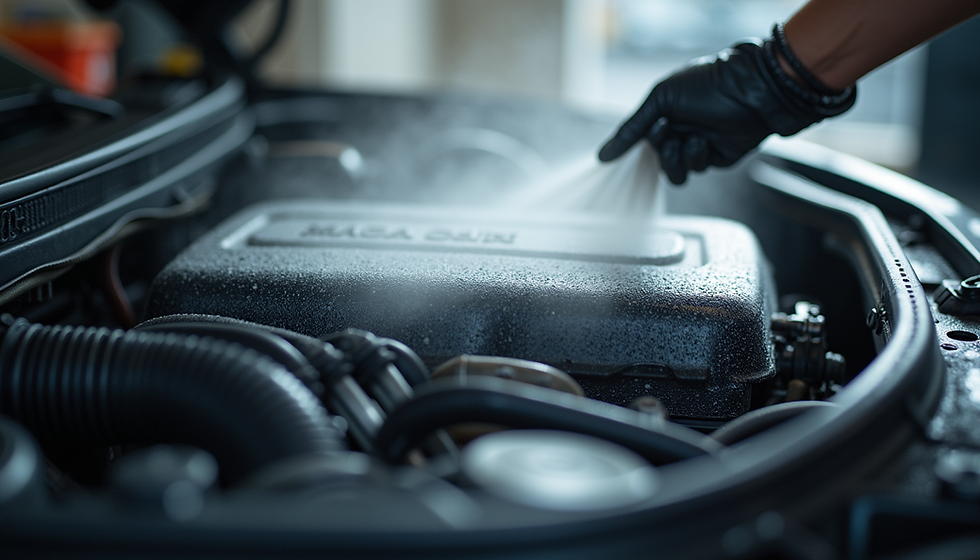
Apply Engine Degreaser: Spray a quality engine degreaser evenly over the engine. Let it sit for 10-15 minutes to break down grease and grime.
Scrub Stubborn Areas: Use a soft brush to scrub areas with heavy buildup.
Rinse Carefully: Rinse the engine with low-pressure water, avoiding sensitive parts.
Dry the Engine: Use compressed air or a microfiber cloth to dry the engine thoroughly.
Reconnect Battery and Start Engine: Once dry, reconnect the battery and start the engine to ensure everything is working properly.
For those who prefer professional help, engine cleaning services offer expert cleaning with specialized equipment that ensures a thorough and safe process.

How much is it to have your engine cleaned?
The cost of engine cleaning varies depending on the method used and the condition of the engine. Here’s a general breakdown:
DIY Cleaning: If you choose to clean your engine yourself, the cost mainly includes purchasing degreasers, brushes, and protective covers. This can range from $15 to $50.
Professional Engine Cleaning: Hiring a professional service typically costs between $50 and $150. This price includes thorough cleaning, drying, and inspection.
Steam Cleaning: Some services use steam cleaning, which is highly effective and eco-friendly. This method may cost slightly more, around $100 to $200, but offers superior results.
Keep in mind that regular cleaning can prevent expensive repairs, making the investment worthwhile.

Tips for Maintaining a Clean Engine
Maintaining a clean engine is easier than you might think. Here are some actionable tips to keep your engine in great shape:
Regular Inspections: Check your engine bay every few weeks for dirt, leaks, or debris.
Avoid Driving on Dusty Roads: Dust and dirt can accumulate quickly, so try to avoid unpaved or dusty roads when possible.
Use Quality Engine Oil: Good oil reduces sludge buildup inside the engine.
Keep Engine Covers Intact: Engine covers help protect against dirt and moisture.
Schedule Routine Cleanings: Depending on your driving conditions, clean your engine every 6 to 12 months.
By following these simple steps, you can enjoy the benefits of a clean engine without much hassle.
The Impact of Engine Cleaning on Vehicle Resale Value
A clean engine can significantly boost your vehicle’s resale value. Potential buyers often look under the hood to assess how well a car has been maintained. A spotless engine bay suggests that the owner took good care of the vehicle, which can justify a higher asking price.
Moreover, a clean engine reduces the risk of hidden problems that might scare off buyers. It also shows that the vehicle is less likely to have suffered from neglect or damage.
If you plan to sell your car, investing in professional engine cleaning can be a smart move to attract buyers and get the best price.
Keeping your engine clean is a simple yet effective way to enhance your vehicle’s performance and longevity. Whether you choose to clean it yourself or hire engine cleaning services, the benefits are clear. From improved fuel efficiency to higher resale value, a clean engine is a smart investment for any vehicle owner. Start incorporating engine cleaning into your maintenance routine today and experience the difference it makes on the road.


Comments