
The Importance of Engine Cleaning: Why It Matters for Your Vehicle
- stevebelair
- Feb 2
- 3 min read
Keeping your engine clean is often overlooked in routine vehicle maintenance. However, a clean engine is crucial for the overall health and performance of your car. Dirt, grime, and oil buildup can cause serious issues if left unattended. This article explores the importance of engine cleaning, how it benefits your vehicle, and practical tips to keep your engine in top shape.
Understanding the Importance of Engine Cleaning
Engines operate under extreme conditions, generating heat and friction while exposed to dust, dirt, and road debris. Over time, these contaminants accumulate on the engine components, leading to several problems:
Reduced efficiency: Dirt and grime can clog essential parts, reducing the engine’s ability to cool properly.
Corrosion and damage: Oil leaks mixed with dirt can cause corrosion on metal parts.
Increased wear and tear: Contaminants can accelerate the degradation of belts, hoses, and other components.
Fire hazard: Excessive oil buildup can increase the risk of engine fires.
Regular engine cleaning helps prevent these issues, ensuring your vehicle runs smoothly and lasts longer.

How Engine Cleaning Enhances Vehicle Performance
A clean engine is a more efficient engine. When dirt and grime are removed, the engine can dissipate heat better, which is essential for optimal performance. Here are some specific ways engine cleaning improves your vehicle:
Better fuel efficiency: A clean engine runs more smoothly, which can improve fuel consumption.
Improved horsepower: Removing buildup allows the engine to breathe better, enhancing power output.
Longer engine life: Clean components experience less wear, extending the engine’s lifespan.
Easier maintenance and repairs: Mechanics can spot leaks and issues more quickly when the engine is clean.
For example, a study by automotive experts found that vehicles with regularly cleaned engines showed a 5-10% improvement in fuel economy compared to those with dirty engines.
Practical Tips for Keeping Your Engine Clean
Maintaining a clean engine does not require professional help every time. Here are some actionable steps you can take:
Regular visual inspections: Check your engine bay for dirt, oil leaks, or debris.
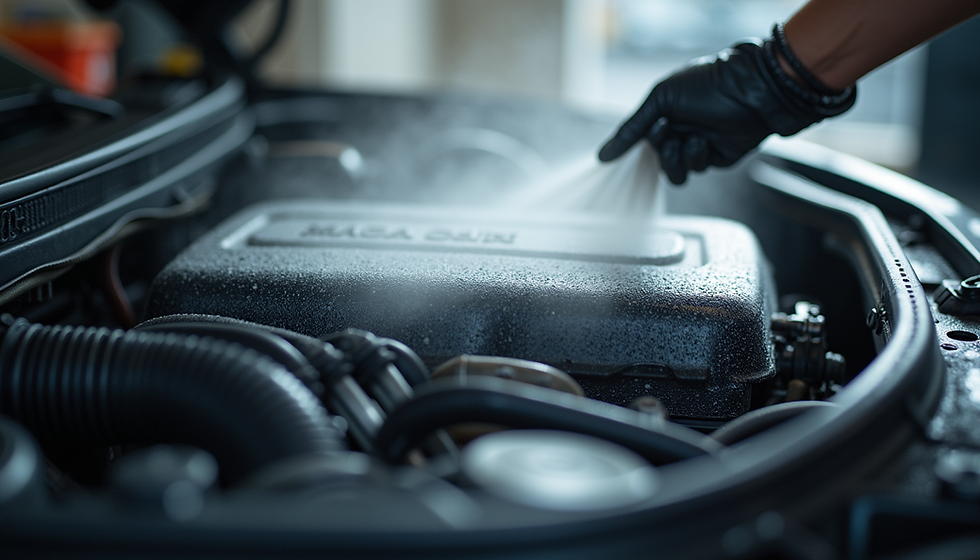
Use a degreaser: Apply a quality engine degreaser to break down grease and grime.
Avoid high-pressure water: Use a gentle spray to rinse the engine to prevent damage to electrical components.
Cover sensitive parts: Protect the battery, air intake, and electrical connections with plastic bags before cleaning.
Schedule professional cleaning: At least once a year, have a professional detailer clean your engine thoroughly.
By following these steps, you can maintain a clean engine that performs reliably.

Signs Your Engine Needs Cleaning
Knowing when to clean your engine is just as important as how to do it. Here are some signs that indicate your engine needs attention:
Visible dirt and oil buildup: If you see thick layers of grime, it’s time for a clean.
Overheating issues: Dirt can block cooling systems, causing the engine to overheat.
Unusual smells: Burning oil or rubber smells can indicate leaks or buildup.
Decreased performance: Noticeable drops in power or fuel efficiency may be related to engine cleanliness.
Ignoring these signs can lead to costly repairs down the road. Regular cleaning helps avoid these problems and keeps your vehicle running smoothly.
Benefits Beyond Performance: Safety and Resale Value
Keeping your engine clean is not just about performance; it also impacts safety and the value of your vehicle.
Safety: Oil and grease buildup can be a fire hazard. Cleaning reduces this risk significantly.
Resale value: A clean engine bay shows potential buyers that the vehicle has been well cared for, increasing its market value.
Environmental impact: A well-maintained engine emits fewer pollutants, contributing to a cleaner environment.
Taking care of your engine cleanliness is a smart investment that pays off in multiple ways.
Maintaining a clean engine is a simple yet effective way to ensure your vehicle’s longevity, safety, and performance. By understanding the importance of engine cleaning and following practical maintenance tips, you can avoid costly repairs and enjoy a smoother driving experience. Remember, a clean engine is a happy engine!


Comments