
The Importance of Engine Cleaning for Your Vehicle
- stevebelair
- Dec 8, 2025
- 3 min read
Updated: Mar 19
Engine cleaning offers several advantages that contribute to the overall performance and longevity of your vehicle. Here are some key benefits:
Improved Fuel Efficiency
A clean engine runs more smoothly and efficiently. Dirt and grime can cause the engine to work harder, consuming more fuel. By removing these contaminants, your engine can operate at optimal efficiency, saving you money at the pump.
Enhanced Engine Performance
Dirt buildup can interfere with the engine’s components, such as belts and pulleys, causing them to wear out faster or malfunction. Cleaning the engine helps maintain proper function and responsiveness.
Reduced Risk of Overheating
Dust and grease can insulate heat, preventing the engine from cooling properly. A clean engine dissipates heat more effectively, reducing the risk of overheating and potential damage.
Early Detection of Issues
When your engine is clean, it’s easier to spot leaks, cracks, or worn parts. This allows for timely repairs before minor problems escalate into costly repairs.
Increased Vehicle Lifespan
Regular cleaning helps prevent corrosion and rust, which can degrade engine components over time. This maintenance step contributes to a longer-lasting engine.

How Engine Cleaning Services Work
Professional engine cleaning involves a thorough process designed to remove dirt, grease, and other contaminants without damaging sensitive parts. Here’s what typically happens during a professional cleaning:
Preparation: The technician covers electrical components and air intakes to protect them from water damage.
Degreasing: A specialized degreaser is applied to break down oil and grime buildup.
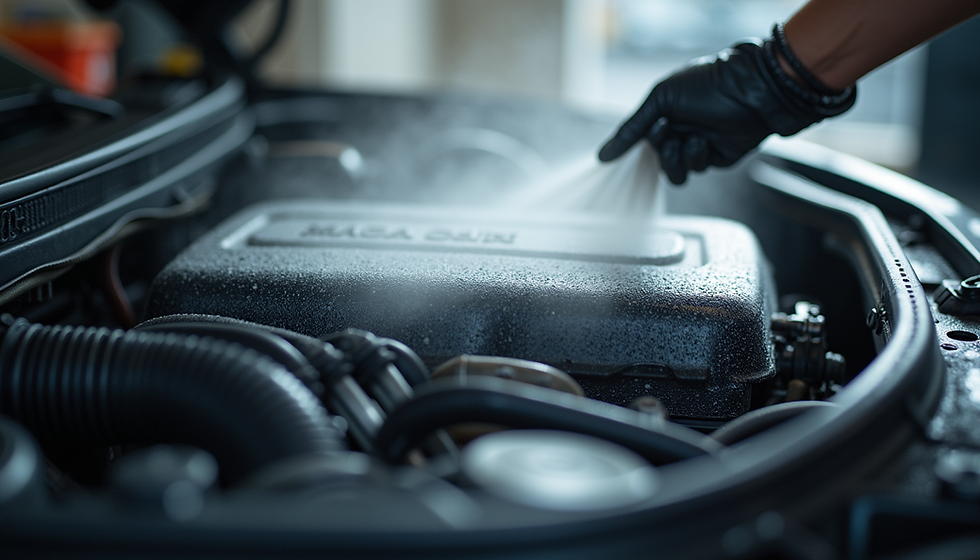
Cleaning: Using high-pressure steam or water, the degreaser and dirt are rinsed away carefully.
Drying: The engine is dried using air blowers or heat lamps to prevent moisture-related issues.
Inspection: The technician checks for any leaks or damaged parts that may need attention.
This process ensures your engine is cleaned safely and effectively, restoring its appearance and function.
Is It Worth Getting Your Engine Cleaned?
Many vehicle owners wonder if engine cleaning is truly necessary or just an extra expense. The answer depends on several factors:
Vehicle Age and Condition: Older vehicles or those driven in harsh conditions (dusty roads, heavy traffic) benefit more from engine cleaning.
Maintenance History: If your engine has never been cleaned, accumulated grime could be affecting performance.
Signs of Trouble: Overheating, reduced fuel efficiency, or unusual engine noises may indicate the need for cleaning.
Resale Value: A clean engine bay can increase your vehicle’s resale value by showing prospective buyers that the car has been well cared for.
In most cases, the benefits of engine cleaning outweigh the costs, especially when performed by professionals who use the right techniques and products.

DIY Engine Cleaning Tips and Precautions
If you prefer to clean your engine yourself, it’s important to follow safety guidelines to avoid damage:
Use the Right Products: Choose engine degreasers designed for automotive use. Avoid harsh chemicals that can harm components.
Protect Sensitive Parts: Cover the battery, alternator, and air intake with plastic bags or foil.
Work in a Well-Ventilated Area: Engine cleaning involves chemicals and water, so ensure good airflow.
Avoid High-Pressure Water: Use a gentle spray to prevent water from entering electrical parts.
Allow the Engine to Cool: Never clean a hot engine to avoid burns or damage.
Dry Thoroughly: Use compressed air or towels to remove moisture after cleaning.
While DIY cleaning can be effective, professional engine cleaning services offer expertise and equipment that ensure a safer and more thorough job.
Long-Term Impact of Regular Engine Cleaning
Incorporating engine cleaning into your vehicle maintenance routine can have lasting positive effects:
Consistent Performance: Regular cleaning keeps your engine running smoothly, preventing performance dips caused by dirt buildup.
Lower Repair Costs: Early detection of leaks or worn parts during cleaning can save you from expensive repairs later.
Better Emissions: A clean engine burns fuel more efficiently, reducing harmful emissions and helping the environment.
Peace of Mind: Knowing your engine is clean and well-maintained gives confidence in your vehicle’s reliability.
Conclusion
Scheduling engine cleaning every 1-2 years, depending on driving conditions, is a practical approach to maintaining your vehicle’s health. By understanding the benefits of engine cleaning and how it improves vehicle performance, you can take proactive steps to keep your engine in excellent condition. Whether you choose professional services or a careful DIY approach, regular cleaning is a smart investment in your vehicle’s future.
---wix---


Comments